






Why More Parents Should Watch for Mouth Breathing
Mouth breathing isn’t “just a habit.” It can quietly affect your child’s growth, sleep, speech, and feeding—but the signs are easy to miss. Maybe this afternoon you noticed parted lips… a tiny snore… and your gut said, “Something’s off.” You’re not overreacting—and you don’t have to guess what to do next.
Our FREE “Is My Child a Mouth Breather?” Worksheet helps you spot key signs fast, track patterns over one week, and feel confident about next steps.
7 Signs To Watch For:
👄 Open-mouth rest (lips apart when quiet)
😴 Snoring or noisy sleep
💧 Frequent drooling
🍼 Feeding challenges
💬 Speech sound errors (/p, b, m, s/)
💋 Dry, chapped lips
📸 Forward-head or “mouth-open” photos

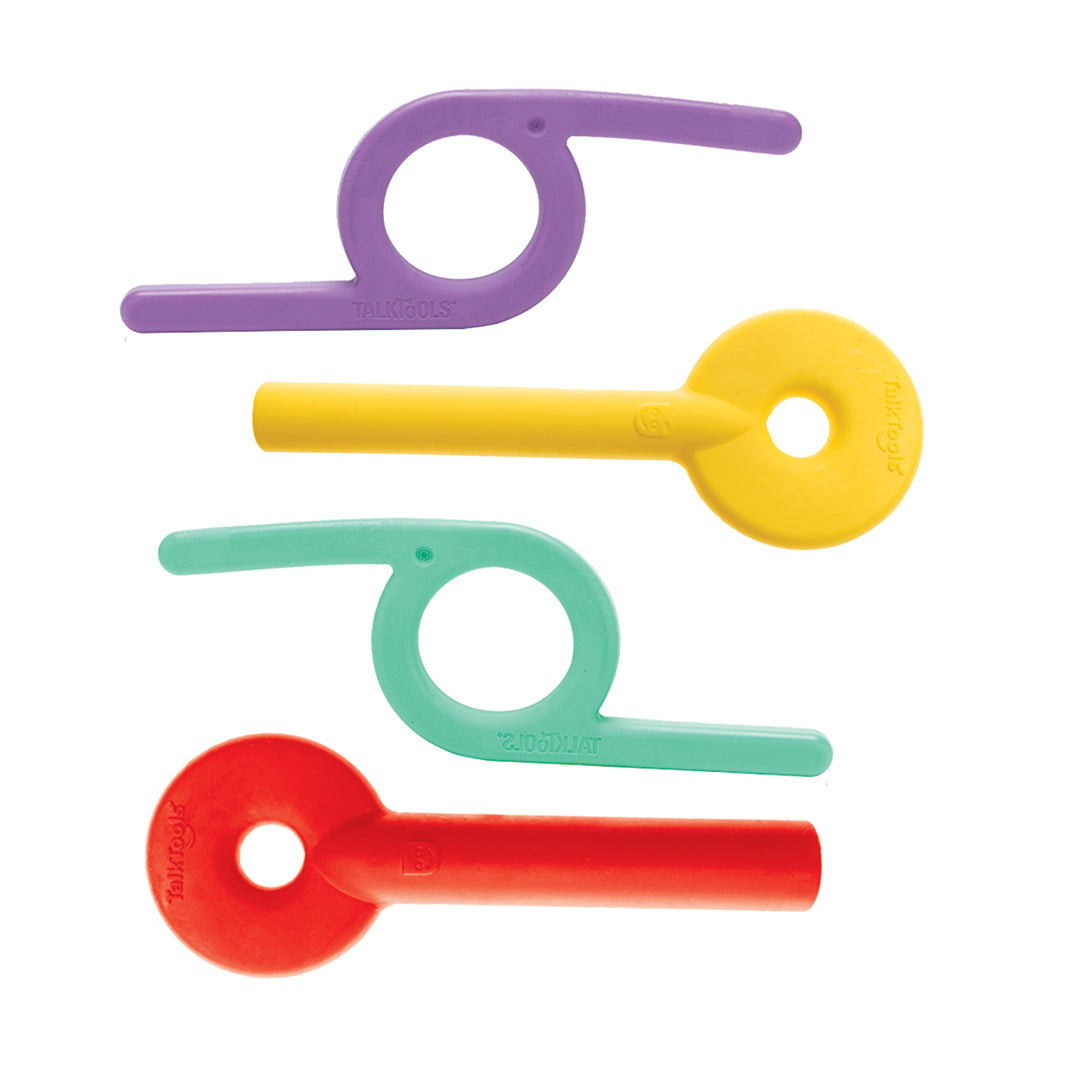
You’ll also get quick daily supports—“quiet nose” breaks, mini-mirror checks, and playful TalkTools® OPT™ tools (Horn, Straw, Bubble, Chewy™)—plus guided provider questions for your pediatrician, ENT, dentist, or therapist.
Rule of thumb: If 3+ signs persist for 2–4 weeks, it’s time to check in with a professional.
Educational content; not a substitute for individualized medical advice.