Sorry, the content of this store can't be seen by a younger audience. Come back when you're older.
Apraxia Program
SKU: 1561
Regular price$55.00$55.00
/
Apraxia Program
SKU: 1561
Regular price$55.00$55.00
/
8 reviews
International Orders (Physical Products Only): Customs duties, taxes, and import fees may apply depending on your destination country. Customers are solely responsible for the payment of any applicable customs duties, taxes, and fees — these charges are not included in your order total and will not be covered by TalkTools. This does not apply to digital course orders.
TalkTools® Apraxia Program
TalkTools® Apraxia Program
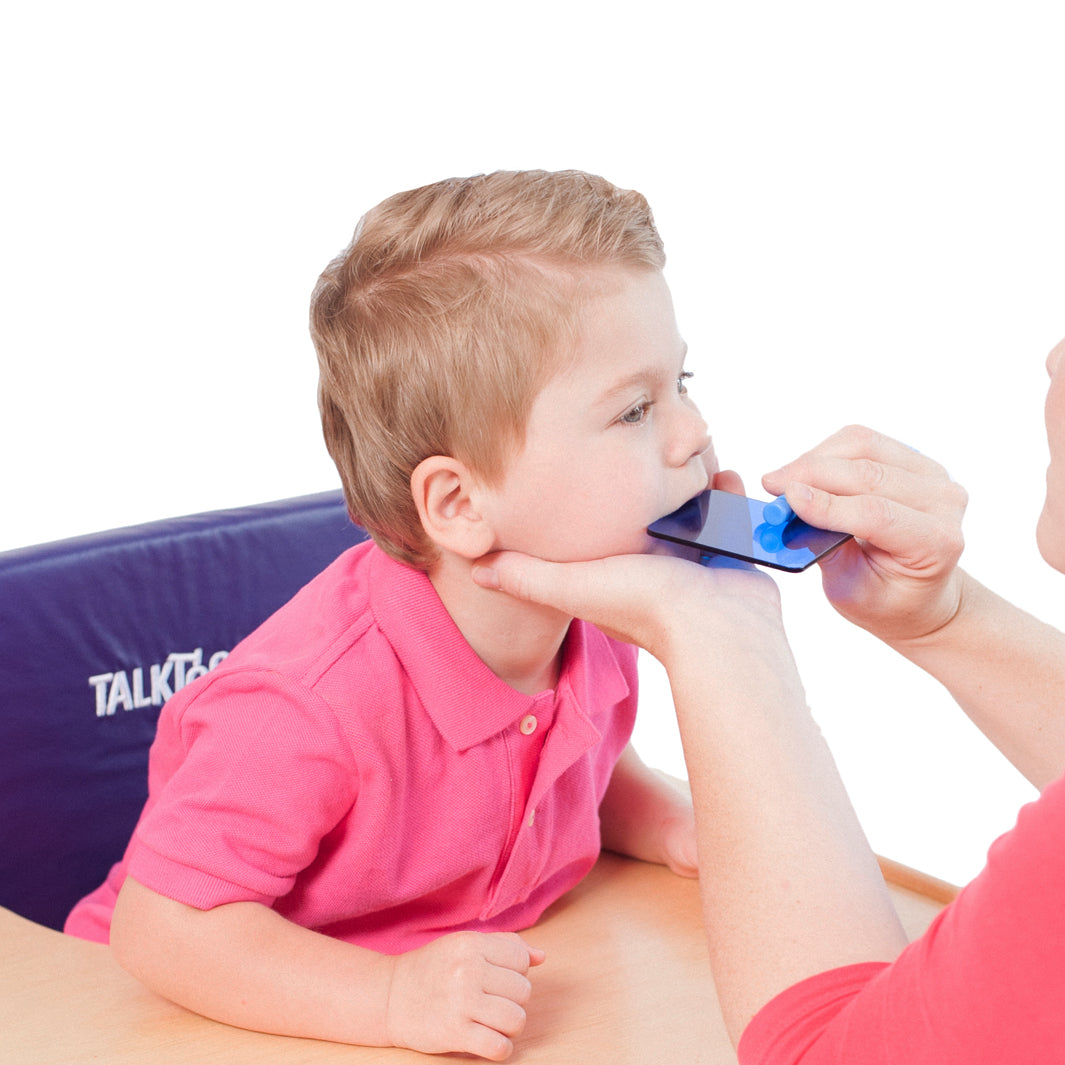
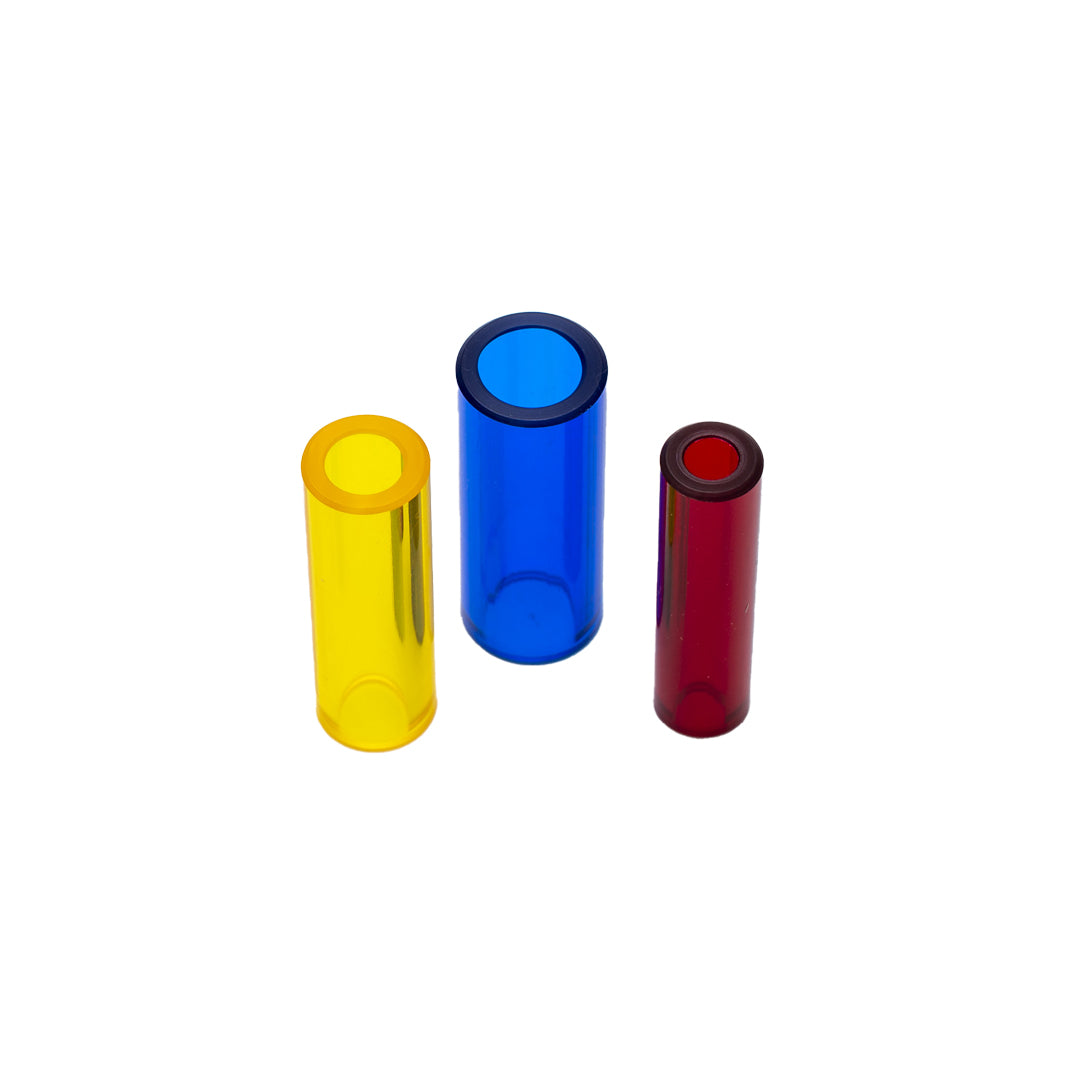
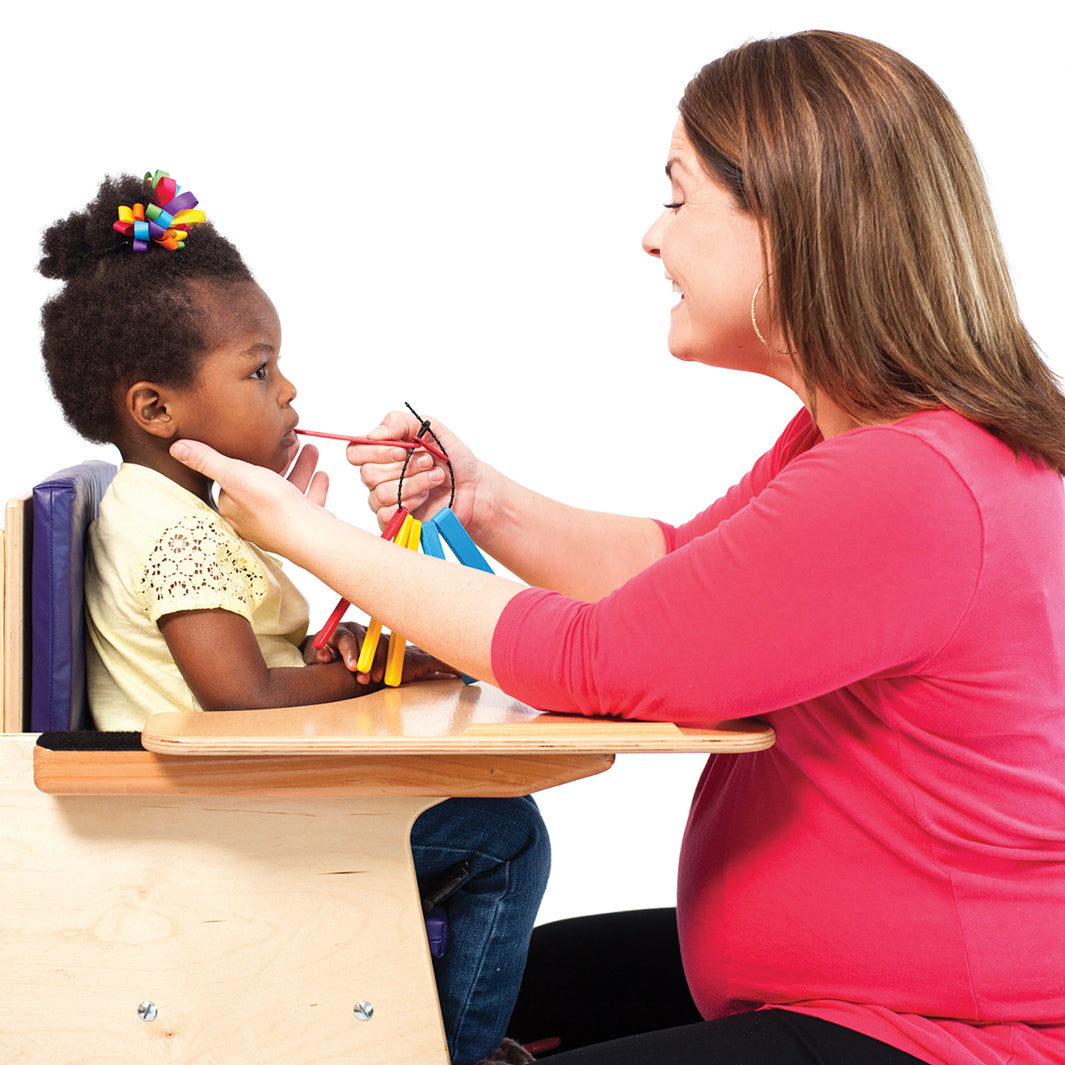
The TalkTools Apraxia Program is a structured speech therapy program designed to transition clients with motor planning deficits from Oral Placement Therapy activities into functional speech production. Developed by TalkTools Instructor and apraxia expert Renee Roy Hill, MS, CCC-SLP, the program uses three sets of tactile cueing tools to help clients feel precise articulator placement for targeted speech sounds, delivering a multisensory approach to apraxia treatment.
Therapy Goals
Transition clients with motor planning deficits from oral placement activities to speech sound production
Provide tactile cueing for articulator placement during production of target sounds
Combine tactile, verbal, and visual cues to create a multisensory approach to speech facilitation
Support accurate placement of articulators for the following sounds: /m/, /p/, /b/, /oo/, /oh/, /ee/, /ih/, /eh/, /uh/, and /ah/
Build a reliable sensory-motor framework for independent speech production
Developed by Renee Roy Hill, MS, CCC-SLP, a recognized TalkTools Instructor and apraxia specialist
Provides tactile cueing that helps clients feel, not just hear or see, correct articulator placement
Multisensory approach (tactile, verbal, and visual cues) supports diverse learners and motor profiles
Three sets of tools cover a range of consonant and vowel targets for comprehensive program coverage
Specifically designed to bridge the gap between oral placement activities and connected speech production
Supported by a companion course for professionals seeking advanced clinical training
Children and adults diagnosed with Childhood Apraxia of Speech (CAS) or acquired apraxia of speech
Clients with motor planning deficits who have completed foundational oral placement activities
Speech-language pathologists seeking a structured, tactile-based apraxia treatment program
Therapists trained in or pursuing the TalkTools sensory-motor approach to apraxia treatment
Clinic, school-based, early intervention, and home therapy settings
3 x Sets of tactile cueing tools (covering /m/, /p/, /b/, /oo/, /oh/, /ee/, /ih/, /eh/, /uh/, and /ah/)
Material
BPA-free, food-safe material
Safety
BPA-free, latex-free
Developed by
Renee Roy Hill, MS, CCC-SLP, TalkTools Instructor
Wash thoroughly before first use with warm water and mild soap
Clean after each use with warm water and mild soap
Do not use abrasive scrubbers or harsh chemical cleaners
Inspect before each use and replace any tool that shows signs of damage or deterioration
Optimize the clinical use of this program by completing the live or online course "A Sensory-motor Approach to Apraxia of Speech," available through TalkTools professional training.
Warning: Use with adult supervision at all times. Inspect each tool before every use and dispose of it properly at the first sign of damage or deterioration.