





Move clients from vocalizing on command to functional words.
Traditional modeling techniques (auditory and visual cues) are effective for many, but students with "Oral Placement Disorders" (OPD) often struggle to make progress using those methods alone. This course explores how these clients benefit from a multi-sensory approach based on phonetic placement and motor learning theories.
Instructor Renee Roy Hill demonstrates how a stable motor system is the prerequisite to speech development. The curriculum provides a detailed roadmap for applying sensory-motor techniques to clients with dual diagnoses—such as Autism and Apraxia, or Down Syndrome and Dysarthria—as well as those with Speech Sound Disorders (SSD).
Clinical Focus Areas Include:
- Define an Oral Placement Approach for Motor Speech Disorders.
- Identify the components of speech from a systems perspective.
- Summarize the sensory system and its function in teaching speech.
- Assess motor system function and its impact on speech production.
- Apply techniques to teach a client to vocalize on command.
- Describe effective bridging techniques from OPT to functional speech.
- Formulate a framework for tactile phonetic placement and fading strategies.
- Demonstrate techniques for sequencing, blending, and transition to whole words.
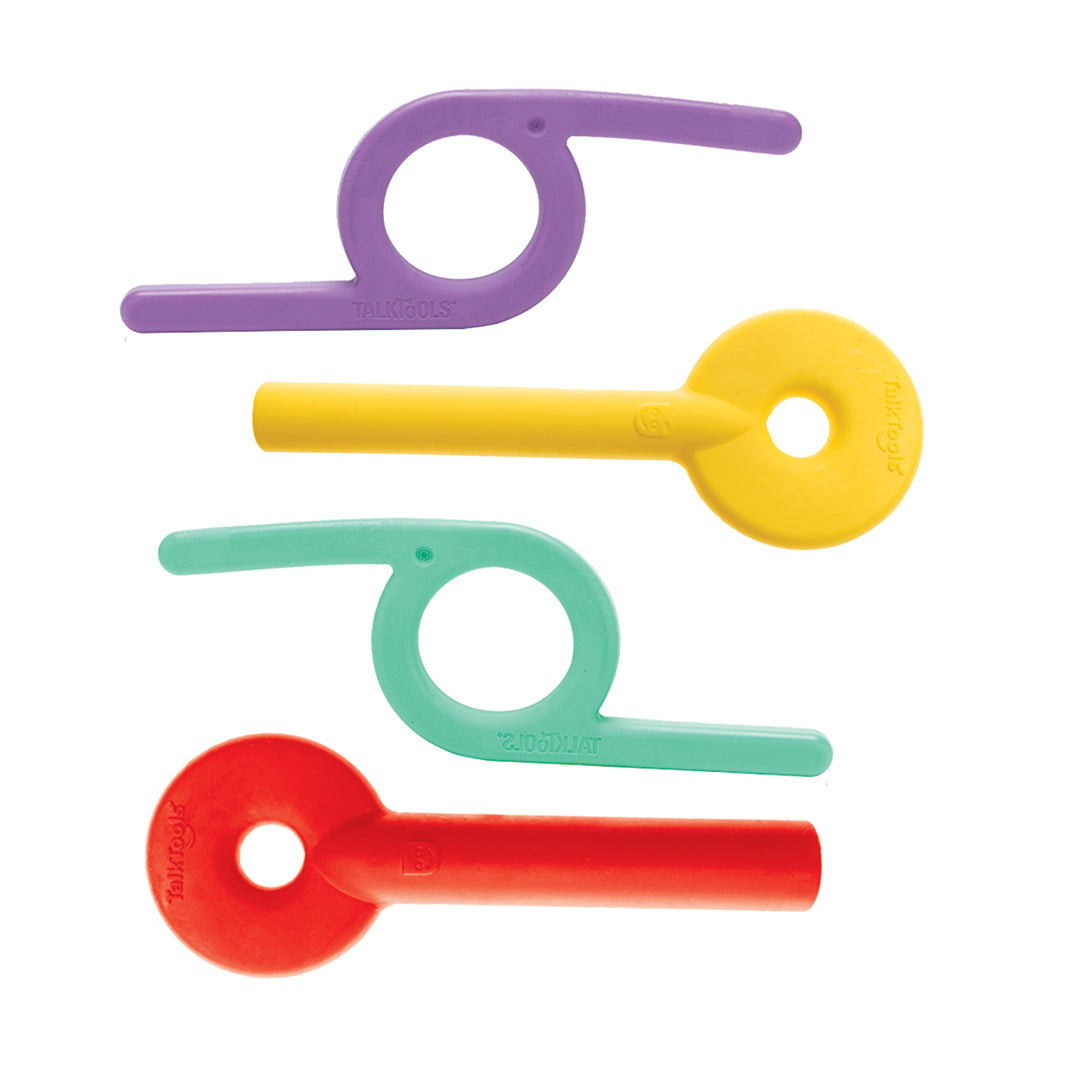
This presentation focuses on treatment methods related to the use of TalkTools® resources. Other similar treatment approaches will receive limited or no coverage during this lecture.