Prevention of Orofacial Myofunctional Disorders in the 0-3 Population

SKU: 2663
heart icon 88
heart icon CEUs 0.2
Regular price $80.00
/
Prevention of Orofacial Myofunctional Disorders in the 0-3 Population

Prevention of Orofacial Myofunctional Disorders in the 0-3 Population

SKU: 2663
heart icon 88
heart icon CEUs 0.2
Regular price $80.00
/
Icon Robyn Merkel-Walsh MA, CCC-SLP
International Orders (Physical Products Only): Customs duties, taxes, and import fees may apply depending on your destination country. Customers are solely responsible for the payment of any applicable customs duties, taxes, and fees — these charges are not included in your order total and will not be covered by TalkTools. This does not apply to digital course orders.

Event Information

Course Information

Course Description | Orofacial Myofunctional Disorders (OMDs) are attracting more speech-language pathologists with the ASHA OMD Practice Portal created in 2018. In 2020 ASHA started requiring universities to teach their students about OMDs yet therapists are left confused between the variations of oral motor, pre-feeding, NSOE and orofacial myofunctional therapy (OMT), or “MYO”, as it is often called.

The first step in understanding OMDs is to understand normal oral sensory-motor development and the neurotypical orofacial complex. Since OMT is traditionally implemented above the age of four, some therapists are left confused about what to do for early signs and symptoms of OMDs in the under 4 populations or for those children who have special needs. Robyn’s research paper in 2020 published in the International Journal of Orofacial Myology and Myofunctional Therapy (IJOM), aimed to debunk confusion regarding OMT with the 0-4 and special needs populations and explained the variations between passive and volitional activities.

This course is new and improved with the research Robyn has completed from her paper. She will discuss how monitoring oral health and mouth development in addition to early intervention of oral motor dysfunction in infant, babies and toddlers can help prevent future OMD challenges. Through the implementation of pre-feeding, feeding and oral placement therapies, OMDs such as prolonged thumb sucking, and open mouth posture may be prevented. Evidenced based resources will help guide therapists toward new strategies immediately. This course is helpful for IBCLCs, occupational therapists, physical therapists, RDHs, physicians, SLPs and dentists.


Event Information

Learning Outcomes | Participants will be able to: 

  • Participants will be able to identify at least 3 signs and symptoms of oral dysfunction in the 0-3 population.
  • Participants will be able to list three ways to assist children ages 0-3 follow typical oral motor developmental norms.
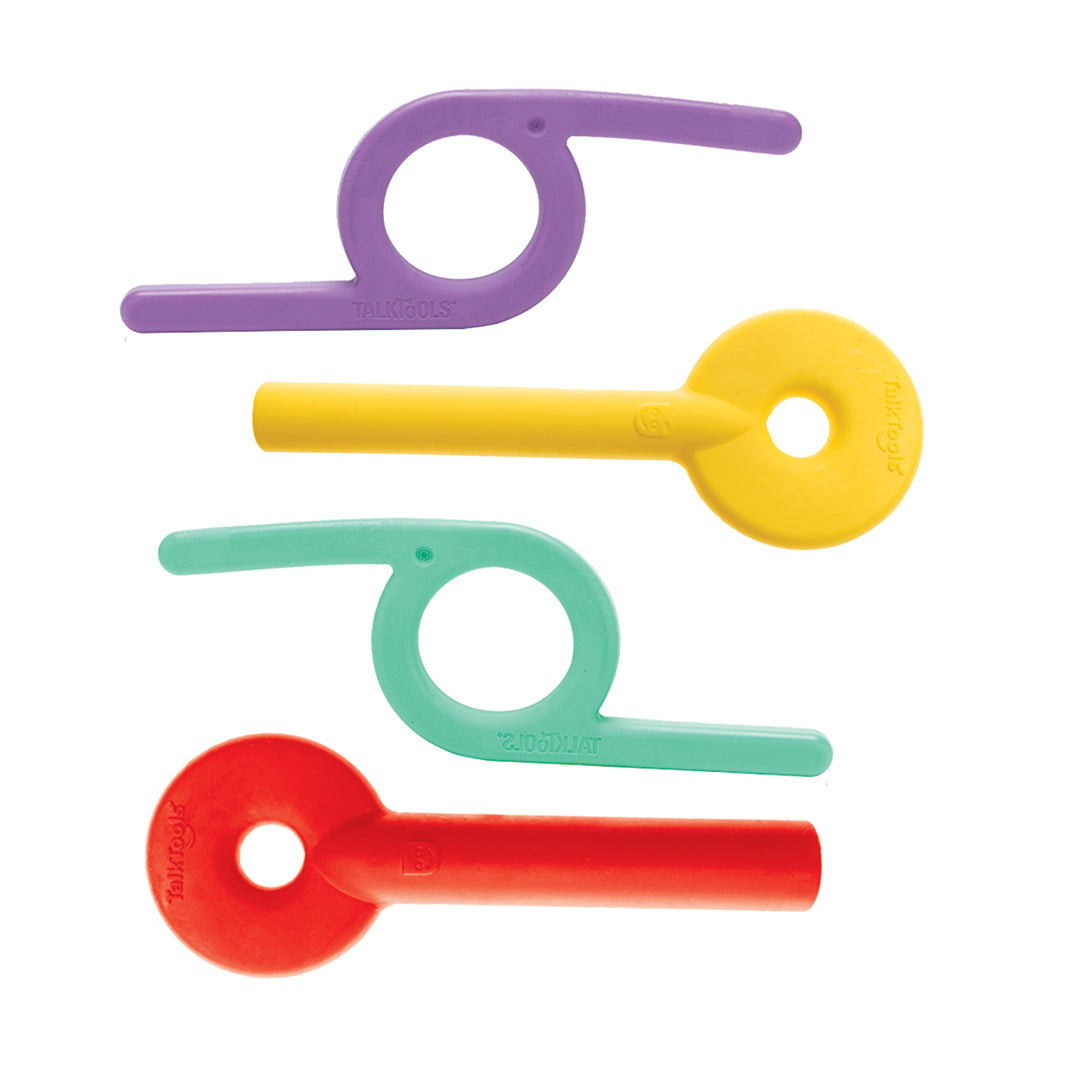
  • Participants will be able to list at least 2 oral motor specialist approved mouth “tools” that promote desirable mouth development.
Event Information

Self-Study Details | Instructor Details and Financial Disclosure 

Registration

  • Online ONLY for 1 learner -- Access to Online Course for 365 Days/1 Year (1.15-hour CE course, downloadable handout, certificate of completion)

Timed Agenda

  • 10 minutes -Introduction
  • 20 minutes- What is an OMD and why is 0-3 such a critical age for mouth development.
  • 30 minutes –Early signs of OMDs  
  • 5 minutes- break
  • 45 minutes- Prevention of OMDs via oral sensory-motor interventions
  • 10 minutes -Q and A 

LEARNER SUPPORT AND FAQs

HOW TO VIEW AND ACCESS YOUR COURSE + DEADLINES

Event Information

ASHA CEUs |  

Content Disclosure: This presentation will focus on treatment methods related to the use of TalkTools® resources. Other similar treatment approaches will receive limited or no coverage during this lecture.

Satisfactory Completion:

To receive a Certificate of Completion learners must: attend the entirety of the course; complete the course quiz with a passing score of 80% accuracy or higher and complete the course completion survey. Learners must request to be reported to ASHA CE.
 

Event Information

TalkTools® Training Policies | It is the learner's responsibility to review, understand and agree to TalkTools® Training Policies (CEUs, copyright/distribution, cancellation). 

Getting You Tech-Ready for Your TalkTools® Course 

Images copyrighted and published by TalkTools®. No copyright infringement intended with any other images displayed; similar content appears elsewhere on the internet